

A straight and healthy smile can make a significant difference in both appearance and confidence. However, many people experience dental alignment problems such as crowded teeth, gaps, and bite irregularities. Traditional metal braces have long been used to address these concerns, but modern orthodontic treatments now offer more discreet alternatives.
One increasingly popular option is Invisalign treatment, which uses transparent, removable aligners to gradually move teeth into their desired positions. For individuals exploring Invisalign in Otahuhu, understanding how clear aligners work, their benefits, and their limitations can help determine whether this treatment is suitable for their dental needs.
What Is Invisalign Treatment?
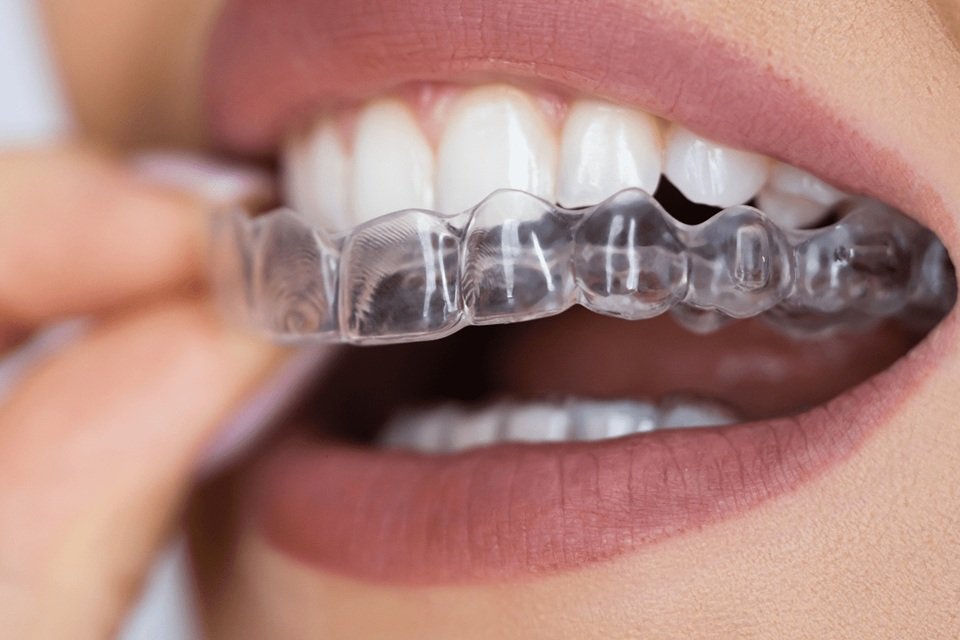
Invisalign is an orthodontic treatment that uses a series of custom-made transparent plastic aligners to gradually straighten teeth. Each aligner is designed to apply controlled pressure to specific teeth, helping move them into the planned positions over time.
Unlike traditional braces, clear aligners do not use metal brackets or wires. They can also be removed when eating, drinking, brushing, and flossing, making them a convenient option for many patients.
The treatment is planned according to an individual’s dental structure, alignment concerns, and desired results. A dental professional evaluates whether clear aligners are appropriate before recommending a treatment plan.
How Does the Invisalign Process Work?
Understanding the treatment process can help patients feel more confident about starting orthodontic care.
1. Initial Dental Consultation
The first step involves a comprehensive examination of the teeth, gums, and bite. The dentist evaluates existing alignment concerns and determines whether clear aligners can address them effectively.
Any underlying dental problems, such as tooth decay or gum disease, may need to be treated before orthodontic treatment begins.
2. Digital Scanning and Treatment Planning
Digital dental scans or impressions are used to create a detailed representation of the teeth. This information helps develop a customised treatment plan that outlines the expected movement of individual teeth.
In many cases, digital technology can also provide a visual preview of the anticipated smile transformation.
3. Wearing Custom-Made Aligners
Patients receive a series of aligners designed to move their teeth gradually. Each set is typically worn for approximately one to two weeks, depending on the prescribed treatment schedule.
For effective results, aligners generally need to be worn for around 20 to 22 hours each day.
4. Regular Dental Check-Ups
Periodic appointments allow the dentist to monitor tooth movement and ensure that treatment is progressing as expected. Adjustments to the treatment plan may be necessary in some situations.
5. Retainers After Treatment
Once the desired alignment is achieved, retainers are generally recommended to maintain the results. Without proper retention, teeth can gradually shift towards their previous positions.
Who Can Benefit from Clear Aligners?
Clear aligner treatment can address several common orthodontic concerns. However, suitability depends on the complexity of the dental condition.
Some conditions that may benefit from Invisalign include:
- Crowded teeth: When there is insufficient space for teeth to sit properly.
- Gaps between teeth: When unwanted spaces exist between individual teeth.
- Overbites: When the upper front teeth extend significantly over the lower teeth.
- Underbites: When the lower teeth extend beyond the upper front teeth.
- Crossbites: When certain upper teeth sit inside the lower teeth.
- Relapsed orthodontic alignment: When teeth shift after previous braces or orthodontic treatment.
While clear aligners can address many mild to moderate alignment issues, more complex cases may require traditional braces or alternative orthodontic approaches.
A professional dental assessment is essential to identify the most appropriate treatment.
Major Benefits of Invisalign Treatment
Clear aligners have become a popular orthodontic option because they offer several advantages compared with conventional metal braces.
1. Discreet Appearance
One of the biggest advantages is their transparent design. The aligners are less noticeable than traditional braces, making them appealing to adults, teenagers, and professionals who prefer a subtle orthodontic solution.
2. Removable Design
Unlike fixed braces, clear aligners can be removed during meals and when cleaning the teeth. This allows patients to enjoy their regular diet without worrying about food becoming trapped around brackets and wires.
3. Improved Oral Hygiene
Since aligners are removable, patients can continue brushing and flossing normally. Maintaining good oral hygiene is important throughout treatment to reduce the risk of cavities and gum problems.
4. Greater Everyday Comfort
Clear aligners do not contain metal brackets or wires that may irritate the cheeks and gums. Although some pressure or temporary discomfort can occur when changing aligners, many patients find them comfortable to wear.
5. Digital Treatment Planning
Modern digital scanning technology allows dental professionals to plan tooth movements more precisely. Patients may also receive a preview of the expected treatment outcome before beginning the process.
What Should You Consider Before Choosing Invisalign?
Although clear aligners offer several benefits, they also require responsibility and consistency.
Daily Wear Time: Aligners generally need to remain in place for approximately 20 to 22 hours daily. Frequent removal can delay progress.
Temporary Discomfort: Mild pressure or tightness is common when switching to a new aligner set. This usually improves as the teeth adjust.
Oral Hygiene: Teeth should be cleaned before aligners are reinserted. Poor hygiene can increase the risk of tooth decay and gum inflammation.
Treatment Duration: The length of treatment varies according to the severity of alignment problems and individual response. Some cases take several months, while others require longer.
Patient Commitment: Successful treatment depends heavily on following the dentist’s instructions and attending scheduled appointments.
Invisalign vs Traditional Braces: Which Is Better?
Both clear aligners and traditional braces can effectively correct dental alignment problems. However, they differ in appearance, convenience, and suitability.
| Feature | Invisalign | Traditional Braces |
| Appearance | Transparent and discreet | Visible metal brackets |
| Removability | Removable | Fixed to teeth |
| Eating | Removed during meals | Dietary restrictions may apply |
| Oral hygiene | Easier access for brushing and flossing | Requires additional cleaning care |
| Comfort | No metal brackets or wires | May cause irritation |
| Suitability | Many mild to moderate cases | Suitable for a wide range of complex cases |
The right option depends on the patient’s dental condition, treatment goals, lifestyle, and professional assessment. In some complex orthodontic cases, traditional braces may offer greater control over tooth movement.
Tips for Maintaining Clear Aligners
Proper aligner care is important for maintaining hygiene and ensuring that treatment progresses as planned.
Consider following these simple recommendations:
- Clean aligners daily using a soft toothbrush and lukewarm water.
- Avoid hot water because it can distort the plastic material.
- Remove aligners before eating or drinking anything other than plain water.
- Store aligners in their protective case whenever they are not being worn.
- Brush and floss before putting aligners back in.
- Follow the prescribed aligner replacement schedule.
- Attend regular dental appointments to monitor progress.
These habits can help keep aligners clean, comfortable, and in good condition throughout treatment.
How Much Does Invisalign Treatment Cost?
The cost of clear aligner treatment varies depending on several factors, including the complexity of tooth movement, treatment duration, and the number of aligners required.
Additional factors may include the need for preliminary dental procedures, follow-up appointments, and retainers after treatment.
A dental consultation is the best way to receive an accurate treatment estimate. Patients should discuss available payment arrangements, treatment inclusions, and expected costs before making a decision.
Is Invisalign Worth Considering?
For individuals looking to improve their dental alignment without the appearance of traditional braces, clear aligners can be a worthwhile option.
Straighter teeth may also make certain areas easier to clean, potentially supporting better oral hygiene. Correcting bite problems can help improve how the teeth come together and may reduce uneven tooth wear in appropriate cases.
However, the success of treatment depends on selecting suitable candidates, following the prescribed wearing schedule, and maintaining regular dental care.
Anyone considering Invisalign in Otahuhu should begin with a professional assessment to understand their orthodontic needs and available treatment options.
Conclusion
Invisalign offers a modern approach to teeth straightening through customised, transparent, and removable aligners. Its discreet appearance, flexibility, and convenience make it an attractive option for people who want to improve their smiles without traditional metal braces.
However, clear aligners are not suitable for every orthodontic condition. Factors such as tooth positioning, bite alignment, oral health, and patient commitment all influence treatment suitability.
By understanding the benefits, limitations, and treatment process, individuals can make informed decisions about whether clear aligners are the right choice for achieving a healthier, more confident smile.
