

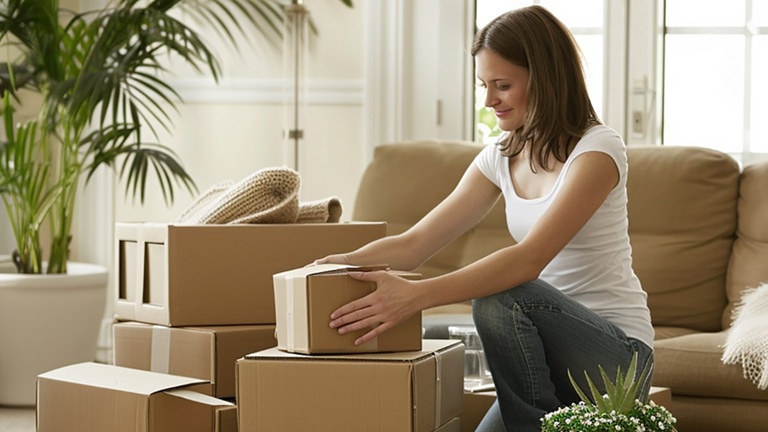
A long-distance relocation is an exciting opportunity, but it also comes with challenges that require careful preparation. Whether you’re moving for a new job, family, or a fresh start, planning ahead can make the entire process more manageable. Instead of rushing through last-minute tasks, taking a strategic approach helps reduce stress, avoid unexpected expenses, and ensure everything arrives safely at your new destination.
Start Planning as Early as Possible
The earlier you begin preparing, the smoother your move is likely to be. Create a moving timeline that outlines major milestones, including booking movers, notifying utility providers, updating your address, and packing different areas of your home.
Breaking large tasks into smaller weekly goals keeps the workload manageable and prevents important details from being overlooked. Having a checklist also gives you a clear picture of your progress as moving day approaches.
Set a Realistic Moving Budget
Long-distance moves often involve more expenses than people initially expect. Besides transportation costs, you may need to budget for packing supplies, temporary accommodation, fuel, meals during travel, storage, and insurance.
Leave room in your budget for unexpected costs. Having a financial cushion helps you handle surprises without adding unnecessary stress to your relocation.
Declutter Before You Pack
Moving is the perfect opportunity to sort through your belongings. Take time to decide what you truly need and what can be donated, sold, recycled, or discarded.
Transporting fewer items often reduces moving costs while making packing and unpacking much easier. It also allows you to start your new chapter with a more organized home instead of carrying unnecessary clutter.
Organize Your Packing Strategy
Rather than packing randomly, organize your belongings by room and clearly label every box. Include a brief description of the contents and indicate whether the items are fragile.
Keep essential documents, medications, chargers, important valuables, and a few days’ worth of clothing in a separate essentials bag that stays with you during the journey. This simple step can save considerable frustration if your moving truck arrives later than expected.
Plan Transportation Carefully
One of the biggest decisions during a long-distance relocation is determining how you’ll transport your vehicle. If driving isn’t practical because of distance, time constraints, or multiple vehicles, professional vehicle shipping can be a convenient solution.
Many people choose to transport your car Seattle when relocating to or from the Pacific Northwest, allowing them to focus on the rest of the move while their vehicle is handled separately.
Prepare Your New Home in Advance
Whenever possible, arrange utilities, internet service, and other essential connections before you arrive. Confirm that electricity, water, heating, and internet access will be available on move-in day.
It’s also helpful to plan where major furniture will go before unloading begins. Having a basic floor plan speeds up the moving process and minimizes unnecessary lifting.
Keep Important Records Accessible
Store important paperwork together in one secure folder or digital backup. This may include identification documents, moving contracts, insurance information, medical records, financial documents, and lease or purchase agreements.
Keeping everything easily accessible prevents unnecessary delays if you need paperwork during your journey.
Stay Flexible During the Process
Even with excellent planning, unexpected situations can occur. Weather delays, traffic, scheduling adjustments, or shipping changes are all possibilities during long-distance relocations.
Building extra time into your schedule helps reduce pressure if plans shift. Maintaining flexibility allows you to adapt without becoming overwhelmed by minor setbacks.
Make Settling In Easier
Once you’ve arrived, focus on unpacking the essentials first. Set up your bedroom, bathroom, and kitchen before worrying about decorative items or less frequently used belongings.
Take time to explore your new neighborhood, locate nearby grocery stores, healthcare providers, schools, and other important services. Becoming familiar with your surroundings helps your new location feel like home much sooner.
