

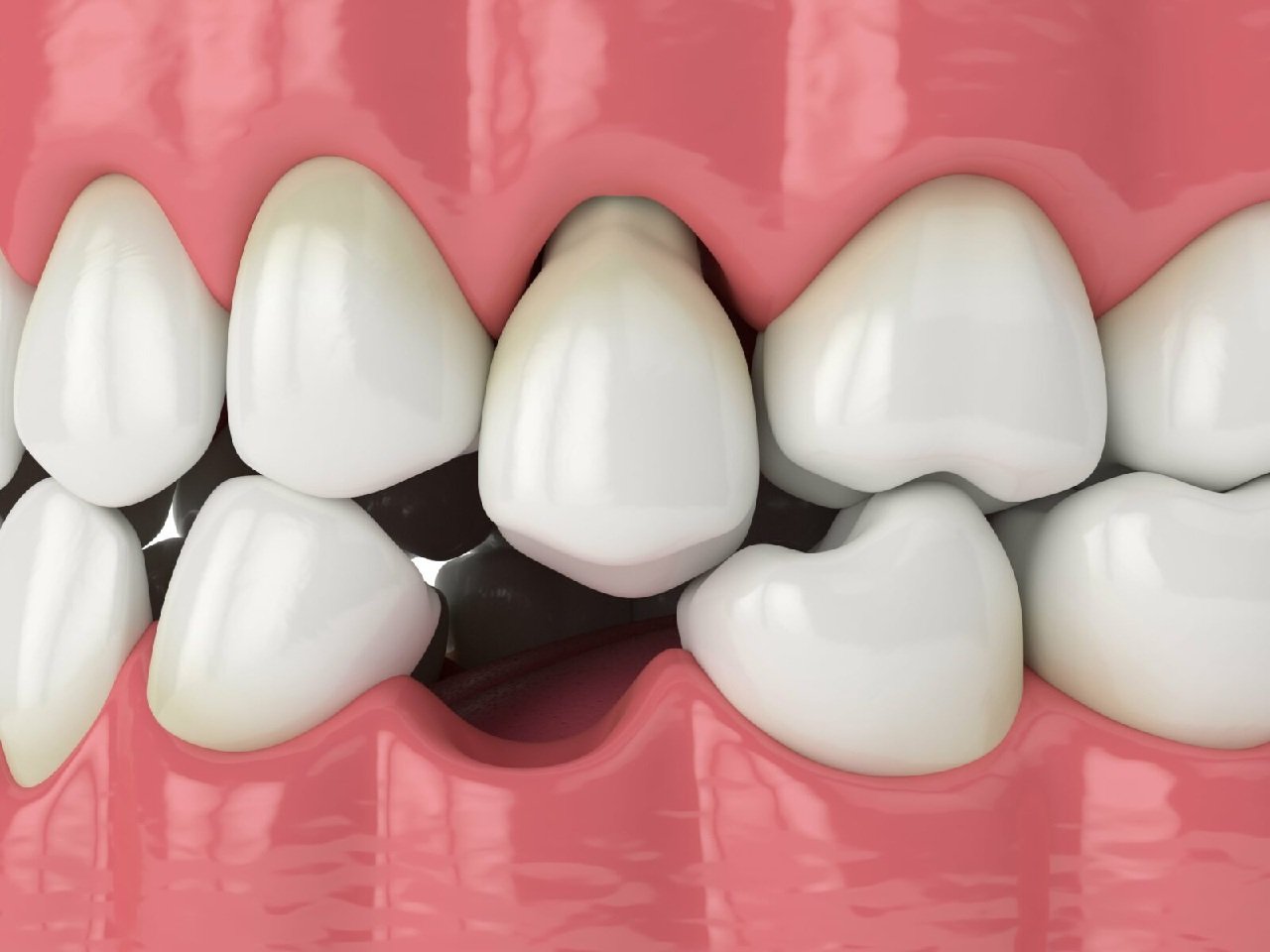
Losing a tooth can happen for several reasons, including dental decay, gum disease, accidental injuries, or ageing. While some people consider a missing tooth a minor cosmetic concern, the consequences can extend far beyond the appearance of their smile. An untreated gap can gradually affect surrounding teeth, chewing ability, jawbone health, and overall oral function.
Understanding the importance of replacing missing teeth can help individuals make informed decisions about their dental health and avoid potential complications in the future.
1. Prevent Surrounding Teeth From Moving
Natural teeth help maintain one another’s position within the mouth. When a tooth is missing, neighbouring teeth may gradually shift towards the empty space.
This movement can cause misalignment, changes in the bite, and difficulties maintaining proper oral hygiene. In some cases, the opposing tooth may also move out of its normal position.
Replacing a missing tooth can help maintain dental alignment and support a more balanced bite.
2. Protect Your Jawbone From Deterioration
One of the less noticeable consequences of tooth loss is gradual jawbone deterioration. Natural tooth roots stimulate the surrounding bone during everyday chewing activities.
When a tooth is removed or lost, that stimulation decreases. Over time, the jawbone in the affected area may begin to shrink.
This process, known as bone resorption, can affect facial structure and reduce the amount of bone available for future dental implant treatment.
Early dental assessment can help identify bone changes and determine the most appropriate restorative solution.
3. Maintain Proper Chewing Function
Every tooth contributes to the process of biting and chewing food. Losing even one tooth, particularly a molar, can affect how pressure is distributed throughout the mouth.
People with missing teeth may begin chewing predominantly on one side, potentially placing additional stress on the remaining teeth.
Replacing missing teeth can help improve chewing efficiency, restore oral function, and make eating more comfortable.
4. Reduce the Risk of Additional Dental Problems
An untreated gap may create areas where food particles and plaque accumulate. If neighbouring teeth begin shifting, maintaining proper oral hygiene can become more challenging.
This may increase the likelihood of gum inflammation, tooth decay, and other periodontal problems.
Regular dental check-ups, effective brushing, flossing, and appropriate tooth replacement can help protect the health of the remaining natural teeth.
5. Improve Your Smile and Self-Confidence
A missing tooth can influence how people feel about their appearance. Some individuals become uncomfortable smiling, speaking, or interacting socially because of visible gaps.
Modern restorative dentistry offers several solutions designed to restore the appearance of natural teeth.
Replacing a missing tooth can help patients feel more confident while also addressing important functional concerns.
What Are the Available Options for Replacing Missing Teeth?
The most suitable treatment depends on the patient’s oral health, the number of missing teeth, jawbone condition, personal preferences, and budget.
Some commonly available options include:
Dental Implants: Dental implants are designed to replace missing tooth roots with small posts placed into the jawbone. Once healing and integration are complete, a custom dental crown is attached to restore the appearance and function of the missing tooth.
Dental Bridges: A dental bridge fills the gap left by one or more missing teeth. Conventional bridges generally use neighbouring teeth for support and can provide a fixed replacement option.
Implant-Supported Dentures: These restorations use dental implants to provide additional support and stability for dentures. They may be suitable for patients missing multiple teeth.
Full-Arch Dental Implants: Patients who have lost most or all teeth in an arch may be candidates for full-arch implant solutions, including All-on-4 treatment.
Each option has different benefits and limitations, making professional assessment essential before choosing a treatment.
Why Early Dental Assessment Matters
Many people delay replacing a missing tooth because they do not experience immediate discomfort. However, the absence of pain does not necessarily mean that the surrounding oral structures are unaffected.
A dental professional can evaluate the condition of the gums, remaining teeth, and jawbone to identify potential complications.
Early assessment may also help preserve future treatment options and reduce the likelihood of needing more complex procedures.
If you have recently lost a tooth or have been living with an untreated gap, consider discussing your options with an experienced dental professional.
Final Thoughts
Replacing a missing tooth is about much more than improving the appearance of your smile. It can help maintain proper bite alignment, support chewing function, protect surrounding teeth, and address changes in the jawbone.
With modern restorative dentistry, patients have access to several solutions tailored to their individual needs. Taking action early and seeking professional advice can make a meaningful difference to long-term oral health.
